Quay lại danh sách
#191Tập 5

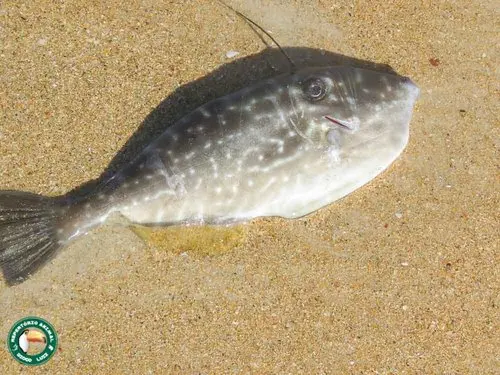
Cá Bò Một Gai Lưng

Aluterus monoceros (Linnaeus, 1757)

WoRMS — Tên hợp lệ trên WoRMS
Tên được xác nhận
Xem trên WoRMS (marinespecies.org)

Thông tin chính

Tên gọi khác
Cá Bò da Một Gai Lưng, Cá Bò gai Một Gai Lưng
Common Name (EN)
Unicorn leatherjacket
Kích thước
Lớn nhất 75cm.
Size
Maximum 75cm.

Mô tả hình thái

Unicorn Filefish or Unicorn Leatherjacket. To 76 cm (29.9 in) TL (Robertson and Allen 2002). Circumglobal; Bahía Magdalena, southern Baja California (Personal communication: Los Angeles County Museum of Natural History Fish Collection, Los Angeles, California), western Gulf of California northward to at least as far as Santa Rosalia (John Snow, pers. comm. to M. L.), to Chile, Isla del Cocos, Isla Malpelo, and Islas Revillagigedo (Robertson and Allen 2002). Depth: 0 – 150 m (492 ft) (min.: Robertson and Allen 2002; max: Matsuura in Carpenter and De Angelis 2016).EN · FishBase/GBIF

Sinh thái & Dinh dưỡng

Habitat: Coral reefs, Benthic, Rocky. Feeding: hunting macrofauna (predator). Depth range: 1 - 80 m. Occasionally in shallow water by steep drop-offs. Solitary or in pairs, occasionally in groups of five or six, at less than 10 m depth. Juveniles are pelagic, seen under floating objects (Ref. 9318, 48637). Benthopelagic (Ref. 58302). Adults and juveniles are rarely seen near reefs. Juveniles are pelagic, seen under floating objects (Ref. 9318). Juveniles often with large jellies and these may bring them close to reefs and adults may nest on sandflats adjacent to reefs in deep water. At other times, the adults may form large schools under weed-rafts that usually form during the wet season (Ref. 48637). Feed on benthic organisms (Ref. 30573). Dwells in coral and rocky reefs. Lays demersal eggs. Has the ability to camouflage itself to its surroundings (Ref. 9773).EN · FishBase/GBIF

Phân bố

Đông Châu Phi, Ấn Độ, Xri Lanca, Ốttrâylia, Inđônêxia, Malaixia, Philíppin, Trung Quốc, Đài Loan, Nhật Bản, Haoai, Thái Lan. Vịnh Bắc Bộ, Miền Trung, Nam Bộ.

Giá trị kinh tế

Commercial importance: commercial. Price category: unknown. Aquaculture: never/rarely. Vulnerability index: 47.86/100EN · FishBase/GBIF

Mẫu vật & Tài liệu

Nơi lưu trữ mẫu
Viện Hải Dương Học (Nha Trang).
Specimen
Institute of Oceanography (Nha Trang).
Tình trạng
Thường gặp, tương đối nhiều.
Status
Common, numerous.
Tài liệu dẫn
Herre, 1953. Chu Nguyên Đỉnh, 1962. De Beaufort and Briggs, 1962. Masuda and all, 1984. Shen, 1993.
Literature
Herre, 1953. Chu, 1962. De Beaufort and Briggs, 1962. Masuda and all, 1984. Shen, 1993.

Sinh học — Sinh thái BIO

Tên tiếng Anh (FishBase)
Unicorn leatherjacket filefish
English name (FishBase)
Unicorn leatherjacket filefish
Chiều dài tối đa
76.19999694824219 cm TL
Max length
76.19999694824219 cm TL
Trọng lượng tối đa
2,710 g
Max weight
2,710 g
Độ sâu phân bố
1 - 80 m
Depth range
1 - 80 m
Môi trường sống
Coral reefs, Benthic, Rocky
Habitat
Coral reefs, Benthic, Rocky
Nguy hiểm cho người
reports of ciguatera poisoning
Danger to humans
reports of ciguatera poisoning
Kiểu ăn
Săn mồi lớn (ăn thịt)
Feeding type
hunting macrofauna (predator)
Bậc dinh dưỡng
3.84
Trophic level
3.84
Hình thức sinh sản
Phân giới tính, thụ tinh ngoài
Reproduction
dioecism, external fertilization
Giá trị thương mại
Thương mại
Importance
commercial
Nuôi trồng thủy sản
Không/hiếm khi
Aquaculture
never/rarely

Ghi chú chi tiết

Tóm tắt sinh học (FishBase)(Biology summary (FishBase))

Đôi khi xuất hiện ở vùng nước nông gần các bờ dốc đứng dưới biển. Sống đơn độc hoặc theo cặp, thỉnh thoảng hợp thành nhóm từ năm đến sáu cá thể ở độ sâu dưới 10 m. Cá con sống ở tầng nổi, thường bắt gặp dưới các vật thể trôi nổi (Ref. 9318, 48637). Sống ở tầng trung - đáy (Ref. 58302). Cá trưởng thành và cá con ít khi được nhìn thấy gần các rạn san hô. Cá con thường bơi kèm theo các loài sứa lớn, điều này có thể đưa chúng đến gần các rạn san hô, trong khi cá trưởng thành có thể làm tổ trên các bãi cát nằm cạnh rạn san hô ở vùng nước sâu. Vào thời điểm khác, cá trưởng thành có thể tập trung thành đàn lớn dưới các thảm rong trôi nổi thường hình thành vào mùa mưa (Ref. 48637). Thức ăn chủ yếu gồm các sinh vật đáy (Ref. 30573).

Xem văn bản gốc tiếng Anh (FishBase / GBIF)

Occasionally in shallow water by steep drop-offs. Solitary or in pairs, occasionally in groups of five or six, at less than 10 m depth. Juveniles are pelagic, seen under floating objects (Ref. 9318, 48637). Benthopelagic (Ref. 58302). Adults and juveniles are rarely seen near reefs. Juveniles often with large jellies and these may bring them close to reefs and adults may nest on sandflats adjacent to reefs in deep water. At other times, the adults may form large schools under weed-rafts that usually form during the wet season (Ref. 48637). Feed on benthic organisms (Ref. 30573).

Ghi chú sinh thái(Ecology notes)

Đôi khi xuất hiện ở vùng nước nông gần các bờ dốc đứng dưới biển. Sống đơn độc hoặc theo cặp, thỉnh thoảng hợp thành nhóm từ năm đến sáu cá thể ở độ sâu dưới 10 m. Cá con sống ở tầng nổi, thường bắt gặp dưới các vật thể trôi nổi (Ref. 9318, 48637). Sống ở tầng trung - đáy (Ref. 58302). Cá trưởng thành và cá con ít khi được nhìn thấy gần các rạn san hô. Cá con sống ở tầng nổi, thường bắt gặp dưới các vật thể trôi nổi (Ref. 9318). Cá con thường bơi kèm theo các loài sứa lớn, điều này có thể đưa chúng đến gần các rạn san hô, trong khi cá trưởng thành có thể làm tổ trên các bãi cát nằm cạnh rạn san hô ở vùng nước sâu. Vào thời điểm khác, cá trưởng thành có thể tập trung thành đàn lớn dưới các thảm rong trôi nổi thường hình thành vào mùa mưa (Ref. 48637). Thức ăn chủ yếu gồm các sinh vật đáy (Ref. 30573). Sinh sống tại các rạn san hô và rạn đá. Đẻ trứng ở tầng đáy. Có khả năng ngụy trang hòa lẫn với môi trường xung quanh (Ref. 9773).

Xem văn bản gốc tiếng Anh (FishBase / GBIF)

Occasionally in shallow water by steep drop-offs. Solitary or in pairs, occasionally in groups of five or six, at less than 10 m depth. Juveniles are pelagic, seen under floating objects (Ref. 9318, 48637). Benthopelagic (Ref. 58302). Adults and juveniles are rarely seen near reefs. Juveniles are pelagic, seen under floating objects (Ref. 9318). Juveniles often with large jellies and these may bring them close to reefs and adults may nest on sandflats adjacent to reefs in deep water. At other times, the adults may form large schools under weed-rafts that usually form during the wet season (Ref. 48637). Feed on benthic organisms (Ref. 30573). Dwells in coral and rocky reefs. Lays demersal eggs. Has the ability to camouflage itself to its surroundings (Ref. 9773).

Ghi chú sinh sản(Reproduction notes)

Ghép đôi rõ rệt trong mùa sinh sản (Ref. 205).

Xem văn bản gốc tiếng Anh (FishBase / GBIF)

Distinct pairing (Ref. 205).

Mô tả hình thái (GBIF)(Morphological description (GBIF))

Cá Bò Một Gai Lưng. Chiều dài tổng cộng tối đa đạt 76 cm (29,9 inch) (Robertson và Allen 2002). Phân bố rộng khắp toàn cầu; từ Bahía Magdalena, miền nam Baja California (Thông tin cá nhân: Bộ sưu tập cá của Bảo tàng Lịch sử Tự nhiên Quận Los Angeles, Los Angeles, California), phía tây vịnh California hướng lên phía bắc ít nhất đến Santa Rosalia (John Snow, thông tin cá nhân gửi M. L.), đến Chile, đảo Cocos, đảo Malpelo và quần đảo Revillagigedo (Robertson và Allen 2002). Độ sâu phân bố: 0 – 150 m (492 ft) (tối thiểu: Robertson và Allen 2002; tối đa: Matsuura trong Carpenter và De Angelis 2016).

Xem văn bản gốc tiếng Anh (FishBase / GBIF)

Unicorn Filefish or Unicorn Leatherjacket. To 76 cm (29.9 in) TL (Robertson and Allen 2002). Circumglobal; Bahía Magdalena, southern Baja California (Personal communication: Los Angeles County Museum of Natural History Fish Collection, Los Angeles, California), western Gulf of California northward to at least as far as Santa Rosalia (John Snow, pers. comm. to M. L.), to Chile, Isla del Cocos, Isla Malpelo, and Islas Revillagigedo (Robertson and Allen 2002). Depth: 0 – 150 m (492 ft) (min.: Robertson and Allen 2002; max: Matsuura in Carpenter and De Angelis 2016).

Danh pháp đồng nghĩa & Phân loại gốc

Balistes monoceros Osbeck, Iter Chinensis, p.110, 1757.
Balistes monoceros Linnaeus, Syst. Nat. ed. 10, Vol. 1, p. 327, 1758.
Alutera monoceros Jordan and Fowler, Proc. U.S. Nat. Mus., Vol.25, p.274, 1902. Jordan and Evermann, 1905. Jordan and Seale, 1907. Herre, 1934. Kamohara, 1940. Smith, 1953. De Beaufort and Briggs, 1962. Chu Nguyên Đỉnh, 1962.
Balistes serraticornis Freminville, Now. Bull. Sci. Soc. Philom., Nº. 67, p. 249, 1813.
Aluteres berardi Lesson, Voy. Coquille, Zool.I, 1e Partie, p.108, pl.7, 1830. Richardson, 1844.
Alutera cinerea Temminck and Schlegel, Fauna Japonica, Poissons, p.292, pl.131, fig.1, 1850. Boeseman, 1947.
Alutarius obliteratus Cantor, Jour. Asiatic Soc. Bengal., Vol.18, p.1335, 1850.
Alutarius macracanthus Bleeker, Verh. Bat. Gen., Vol.24, Balistini, p.22, pl.3, fig.6, 1852.
Alutarius amphacanthoides Bleeker, Verh. Bat. Gen., Vol.24, Balistini, p.23, pl.2, fig.5, 1852.
Aluterus anginosus Hollard, 1855.
Alutera guntheriana Poey, 1863.
Aleuteres monoceros Gunther, Fishes of Zanzibar, p.136, 1866.
Monacanthus monoceros Osbeck, Gunther, Cat. Fishes British Mus., Vol. 8, p. 251, 1870. Day,1878.Chu,1931.