
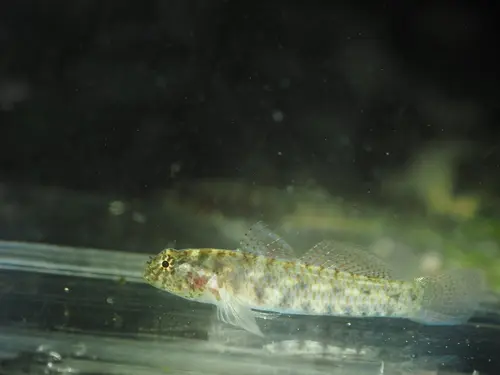
Cá Bống aba
Eviota abax

Thông tin chính
Phân bố
Mẫu vật & Tài liệu
Sinh học — Sinh thái BIO
Ghi chú chi tiết
Cá đực có phạm vi hoạt động không cố định, thường sử dụng các hốc nhỏ, khe đá hoặc vỏ hàu rỗng làm tổ đẻ trứng. Các hành vi hung dữ giữa các cá thể đực đã được ghi nhận, bao gồm các tư thế ngẩng đầu, há miệng, xòe vây và phô diễn cơ thể ở tư thế ngang, đôi khi dẫn đến hành vi cắn nhau. Cá đực tiếp cận phạm vi hoạt động của cá cái, thực hiện các hành vi tán tỉnh, sau đó dẫn dụ cá cái vào khu vực làm tổ để tiến hành đẻ trứng. Sau khi quá trình đẻ trứng hoàn tất, cá cái rời đi và cá đực đảm nhận nhiệm vụ canh giữ trứng, làm sạch trứng bằng miệng và tạo dòng nước lưu thông bằng vây ngực và vây đuôi (Ref. 116739).
Xem văn bản gốc tiếng Anh (FishBase / GBIF)
Males exhibit non-territorial home range, using small holes, rock cracks, or empty oyster shells as a spawning nest. Aggressive behavior with other males were observed, which includes heads up, open mouth, expanded fins, and lateral displays that could result in biting. The male approaches a female’s home range, displayed, and then leads the female to the nesting area, after which after entering the nest, spawning takes place. The female leaves and the male guards the eggs, cleaning them with his mouth and ventilating them with his pectoral and caudal fins (Ref. 116739).
