
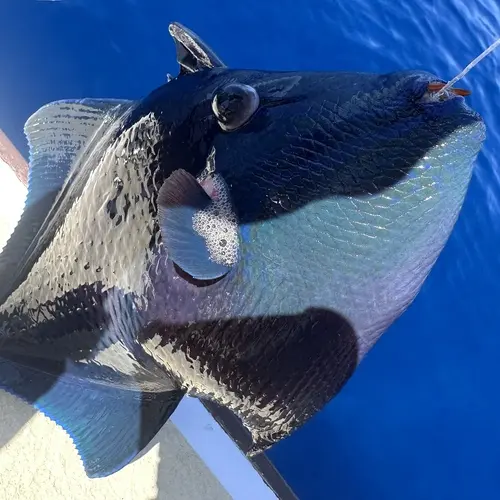
Inhabits reef channels or along slopes that are subject to strong currents (Ref. 48637). Occur in current-swept seaward coral reefs. Usually form aggregations and feed on zooplankton as well as sponges (Ref. 9770). Juveniles associated with isolated patches of rubble or crevices with proper-sized shelter holes (Ref. 1602). Oviparous (Ref. 205). Form large schools to feed on zooplankton (Ref. 48637). Also taken by drive-in nets (Ref. 9770). Marketed fresh or dried-salted. Minimum depth reported taken from Ref. 30874. Popular aquarium fish (Ref. 37816).EN · FishBase/GBIF
Sinh thái & Dinh dưỡng
Habitat: Neritic, Coral reefs, Benthic, Rocky. Feeding: variable. Depth range: 5 - 110 m. Occurs in current-swept seaward coral reefs. Usually forms aggregations and feeds on zooplankton as well as sponges (Also Ref. 9773). Juveniles associated with isolated patches of rubble or crevices with proper-sized shelter holes (Ref. 1602). Inhabits shallow coastal waters and coral reefs. Also preys upon benthic fauna, preferably sedentary species such as sponges (Ref. 9773).EN · FishBase/GBIF
Phân bố
Đông Châu Phi, Biển Đỏ, Ấn Độ, Ốttrâylia, Inđônêxia, Philíppin, Thái Lan, Trung Quốc, Đài Loan, Nhật Bản. Miền Trung Việt Nam, Quần đảo Trường Sa (Việt Nam).
Herre, 1953. De Beaufort and Briggs, 1962. Shen, 1993.
Literature
Herre, 1953. De Beaufort and Briggs, 1962. Shen, 1993.
Sinh học — Sinh thái BIO
Tên tiếng Anh (FishBase)
Red-toothed triggerfish
English name (FishBase)
Red-toothed triggerfish
Chiều dài tối đa
50.0 cm TL
Max length
50.0 cm TL
Độ sâu phân bố
5 - 110 m
Depth range
5 - 110 m
Môi trường sống
Neritic, Coral reefs, Benthic, Rocky
Habitat
Neritic, Coral reefs, Benthic, Rocky
Nguy hiểm cho người
Vô hại
Danger to humans
harmless
Kiểu ăn
variable
Feeding type
variable
Hình thức sinh sản
Phân giới tính, thụ tinh ngoài
Reproduction
dioecism, external fertilization
Chăm sóc con
biparental
Parental care
biparental
Giá trị thương mại
Thương mại nhỏ
Importance
minor commercial
Nuôi trồng thủy sản
Không/hiếm khi
Aquaculture
never/rarely
Ghi chú chi tiết
Tóm tắt sinh học (FishBase)(Biology summary (FishBase))
Sinh sống tại các rãnh rạn san hô hoặc dọc theo các sườn dốc chịu dòng chảy mạnh (Ref. 48637). Phân bố ở các rạn san hô hướng biển có dòng chảy xiết. Thường tụ tập thành từng đàn và ăn động vật phù du cũng như bọt biển (Ref. 9770). Cá con thường sống gắn liền với các đám vụn san hô rời rạc hoặc các kẽ nứt có kích thước lỗ trú ẩn phù hợp (Ref. 1602). Là loài đẻ trứng (Ref. 205). Kết thành đàn lớn để săn mồi là động vật phù du (Ref. 48637). Cũng bị khai thác bằng lưới vây (Ref. 9770). Được thương mại dưới dạng tươi sống hoặc phơi khô ướp muối. Độ sâu tối thiểu ghi nhận được lấy từ Ref. 30874. Là loài cá cảnh phổ biến (Ref. 37816).
Xem văn bản gốc tiếng Anh (FishBase / GBIF)
Inhabits reef channels or along slopes that are subject to strong currents (Ref. 48637). Occur in current-swept seaward coral reefs. Usually form aggregations and feed on zooplankton as well as sponges (Ref. 9770). Juveniles associated with isolated patches of rubble or crevices with proper-sized shelter holes (Ref. 1602). Oviparous (Ref. 205). Form large schools to feed on zooplankton (Ref. 48637). Also taken by drive-in nets (Ref. 9770). Marketed fresh or dried-salted. Minimum depth reported taken from Ref. 30874. Popular aquarium fish (Ref. 37816).
Ghi chú sinh thái(Ecology notes)
Phân bố ở các rạn san hô hướng biển có dòng chảy xiết. Thường tụ tập thành đàn và ăn động vật phù du cũng như bọt biển (Tham khảo thêm Ref. 9773). Cá con sống gắn liền với các đám vụn san hô rời rạc hoặc các khe nứt có kích thước lỗ trú ẩn phù hợp (Ref. 1602). Sinh sống ở vùng ven biển nông và các rạn san hô. Ngoài ra còn ăn động vật đáy, ưu tiên các loài ít di chuyển như bọt biển (Ref. 9773).
Xem văn bản gốc tiếng Anh (FishBase / GBIF)
Occurs in current-swept seaward coral reefs. Usually forms aggregations and feeds on zooplankton as well as sponges (Also Ref. 9773). Juveniles associated with isolated patches of rubble or crevices with proper-sized shelter holes (Ref. 1602). Inhabits shallow coastal waters and coral reefs. Also preys upon benthic fauna, preferably sedentary species such as sponges (Ref. 9773).
Ghi chú sinh sản(Reproduction notes)
Ghép đôi rõ rệt (Ref. 205). Chỉ cá cái trực tiếp chăm sóc trứng nhưng cả cá bố và cá mẹ đều tham gia canh gác (Ref. 116451).
Xem văn bản gốc tiếng Anh (FishBase / GBIF)
Distinct pairing (Ref. 205). Only females tend the eggs but both parents keep guard (Ref. 116451).
Danh pháp đồng nghĩa & Phân loại gốc
Xenodon (Balistes) niger Ruppell, Neue Wirb. Fische des rothen Meeres, p.53, 1835.