
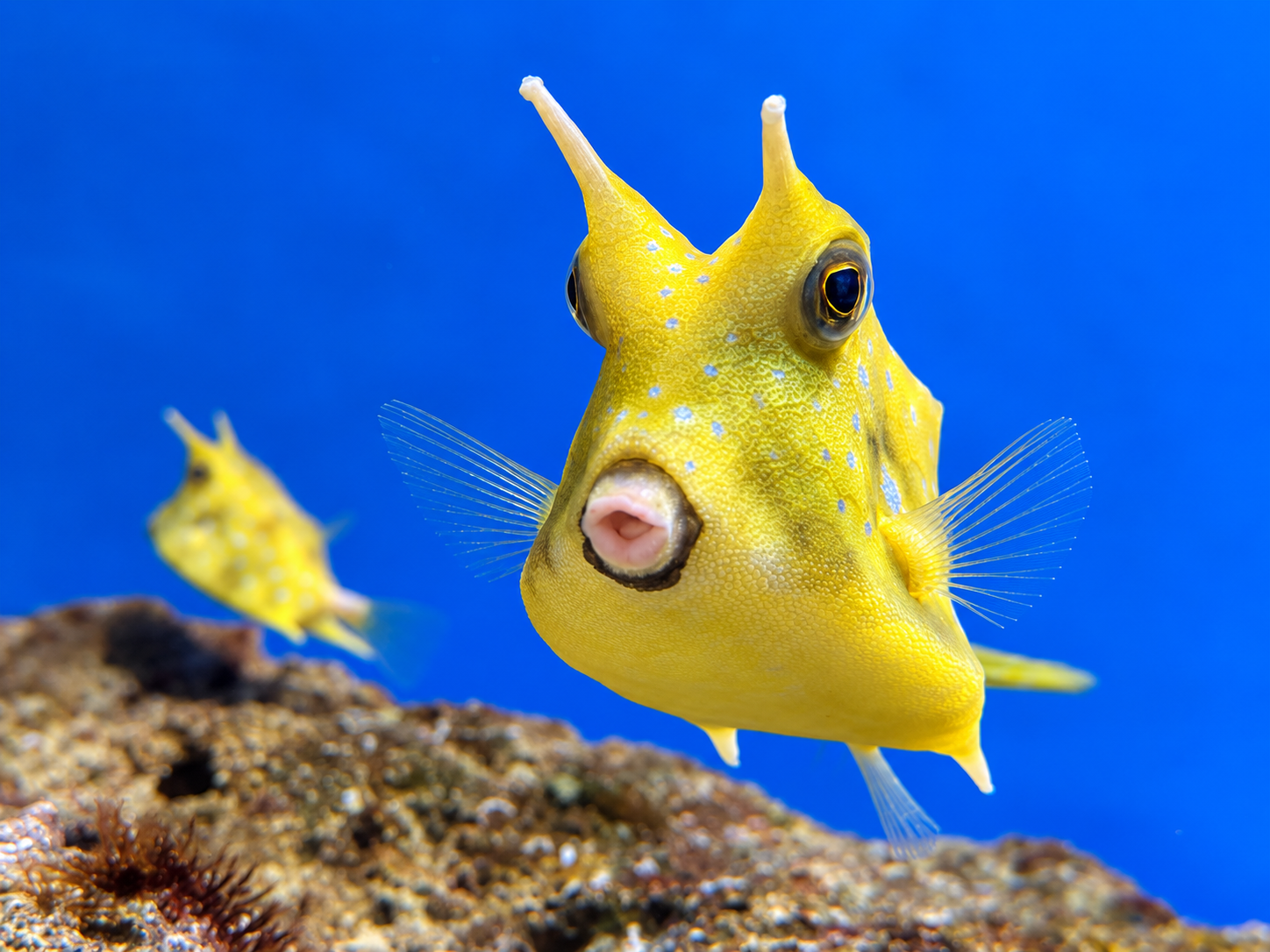
Inhabit inshore on coastal muddy or sandy habitats in still bays, and commonly found in harbours and estuaries. Small juveniles on protected shallow mudflats (Ref. 48637). Found in weedy areas near rocks or reefs. Juveniles often near river mouths and in brackish water. Adults are solitary, juveniles often form small groups (Ref. 1602). Large adults are shy (Ref. 48637). Feed on benthic invertebrates by blowing away the sand (Ref. 1602). Readily dried and used to make ornaments (Ref. 12484).EN · FishBase/GBIF
Sinh thái & Dinh dưỡng
Habitat: Estuaries, Coral reefs. Feeding: hunting macrofauna (predator). Depth range: 1 - 100 m. Inhabit weedy areas near rocks or reefs. Juveniles often near river mouths and in brackish water. Adults are solitary, juveniles often form small groups (Ref. 1602). Present in seagrass beds at all life stages (Ref. 41878). Feed on benthic invertebrates by blowing away the sand (Ref. 1602).EN · FishBase/GBIF
Phân bố
Đông Châu Phi, Ốttrâylia, Niu Ghinê, Madagascar, Mauritius, Haoai, Inđônêxia, Malaixia, Philíppin, Thái Lan, Đài Loan, Hàn Quốc, Nhật Bản. Vịnh Bắc Bộ, Miền Trung, Nam Bộ (Việt Nam)
Giá trị kinh tế
Commercial importance: of no interest. Aquaculture: never/rarely. Vulnerability index: 36.0/100EN · FishBase/GBIF
Mẫu vật & Tài liệu
Nơi lưu trữ mẫu
Viện Hải Dương Học (Nha Trang).
Specimen
Institute of Oceanography (Nha Trang).
Tình trạng
Thường gặp, số lượng ít.
Status
Common, seldom abundant.
Tài liệu dẫn
Herre, 1953. Matsubara, 1955. Chu Nguyên Đỉnh, 1962. De Beaufort and Briggs, 1962. Shen, 1993.
Literature
Herre, 1953. Matsubara, 1955. Chu, 1962. De Beaufort and Briggs, 1962. Shen, 1993.
Sinh học — Sinh thái BIO
Tên tiếng Anh (FishBase)
Longhorn cowfish
English name (FishBase)
Longhorn cowfish
Chiều dài tối đa
46.0 cm TL
Max length
46.0 cm TL
Độ sâu phân bố
1 - 100 m
Depth range
1 - 100 m
Môi trường sống
Estuaries, Coral reefs
Habitat
Estuaries, Coral reefs
Nguy hiểm cho người
reports of ciguatera poisoning
Danger to humans
reports of ciguatera poisoning
Kiểu ăn
Săn mồi lớn (ăn thịt)
Feeding type
hunting macrofauna (predator)
Hình thức sinh sản
Phân giới tính, thụ tinh ngoài
Reproduction
dioecism, external fertilization
Giá trị thương mại
Không có giá trị
Importance
of no interest
Nuôi trồng thủy sản
Không/hiếm khi
Aquaculture
never/rarely
Ghi chú chi tiết
Tóm tắt sinh học (FishBase)(Biology summary (FishBase))
Sinh sống ở vùng nước gần bờ trên các sinh cảnh bùn hoặc cát ven biển trong các vịnh lặng sóng, thường gặp ở các cảng biển và cửa sông. Cá con kích thước nhỏ sống ở các bãi bùn nông kín sóng (Ref. 48637). Phân bố ở các khu vực có nhiều rong tảo gần các ghềnh đá hoặc rạn san hô. Cá con thường xuất hiện ở gần cửa sông và vùng nước lợ. Cá trưởng thành sống đơn độc, trong khi cá con thường hợp thành các nhóm nhỏ (Ref. 1602). Cá trưởng thành kích thước lớn có tập tính nhút nhát (Ref. 48637). Thức ăn chủ yếu là động vật không xương sống ở đáy, chúng kiếm ăn bằng cách dùng miệng thổi bay lớp cát (Ref. 1602). Thường được phơi khô để làm đồ trang trí (Ref. 12484).
Xem văn bản gốc tiếng Anh (FishBase / GBIF)
Inhabit inshore on coastal muddy or sandy habitats in still bays, and commonly found in harbours and estuaries. Small juveniles on protected shallow mudflats (Ref. 48637). Found in weedy areas near rocks or reefs. Juveniles often near river mouths and in brackish water. Adults are solitary, juveniles often form small groups (Ref. 1602). Large adults are shy (Ref. 48637). Feed on benthic invertebrates by blowing away the sand (Ref. 1602). Readily dried and used to make ornaments (Ref. 12484).
Ghi chú sinh thái(Ecology notes)
Sinh sống ở các khu vực có nhiều rong tảo gần các ghềnh đá hoặc rạn san hô. Cá con thường xuất hiện ở gần cửa sông và vùng nước lợ. Cá trưởng thành sống đơn độc, trong khi cá con thường hợp thành các nhóm nhỏ (Ref. 1602). Xuất hiện tại các thảm cỏ biển ở mọi giai đoạn phát triển (Ref. 41878). Thức ăn chủ yếu là động vật không xương sống ở đáy, chúng kiếm ăn bằng cách dùng miệng thổi bay lớp cát (Ref. 1602).
Xem văn bản gốc tiếng Anh (FishBase / GBIF)
Inhabit weedy areas near rocks or reefs. Juveniles often near river mouths and in brackish water. Adults are solitary, juveniles often form small groups (Ref. 1602). Present in seagrass beds at all life stages (Ref. 41878). Feed on benthic invertebrates by blowing away the sand (Ref. 1602).