
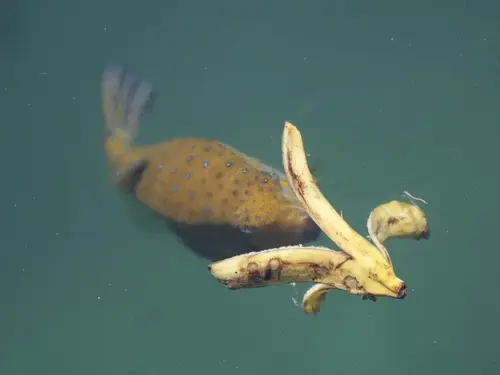
Inhabit lagoon and semi-sheltered seaward reefs. Juveniles often among <i>Acropora</i> corals (Ref. 9710). Benthopelagic (Ref. 58302). Solitary (Ref. 5503). Juveniles expatriating to subtropical zone from the pelagic larval stage. Small juveniles secretive in narrow crevices (Ref. 48637). Feed primarily on algae with a compliment of microorganisms, invertebrates, mollusks, sponges (Ref. 5503), sand dwelling polychaetes, crustaceans, foraminiferans, and fishes (Ref. 37816).EN · FishBase/GBIF
Sinh thái & Dinh dưỡng
Habitat: Neritic, Estuaries, Coral reefs, Benthic, Soft bottom, Mud, Rocky. Feeding: variable. Depth range: 1 - 280 m. Dwells in tidal pools, sheltered bays and estuaries. Intolerant of fluctuating salinities. Feeds on epiphytic organisms. Preyed upon by larger fishes, particularly large carangids (Ref. 9773). Lives in isolation. Dwells in rocky substrates or coral reefs (Ref. 127989). Inhabits lagoon and semi-sheltered seaward reefs. Juveniles often among <i>Acropora</i> corals (Ref. 9710). Solitary (Ref. 5503). Juveniles expatriating to subtropical zone from the pelagic larval stage. Small juveniles secretive in narrow crevices (Ref. 48637). Feeds primarily on algae with a compliment of microorganisms, invertebrates, mollusks, sponges (Refs. 1602, 5503, 127989), sand dwelling polychaetes, crustaceans, foraminiferans, and fishes (Ref. 37816). Juveniles prefer the shelter of corals or rocks; adults range further out in the open and seem to prefer the shelter of ledges and crevices near sand.EN · FishBase/GBIF
Phân bố
Đông Châu Phi, Madagaxca, Mauritiux, Biển Đỏ, Ấn Độ, Xri Lanca, Ốttrâylia, Inđônêxia, Niu Ghinê, Haoai, Malaixia, Trung Quốc, Đài Loan, Nhật Bản. Vịnh Bắc Bộ, Miền Trung, Nam Bộ.
Tóm tắt sinh học (FishBase)(Biology summary (FishBase))
Sinh sống ở các đầm phá và rạn san hô hướng biển có độ che chắn một phần. Cá non thường sống ẩn náu giữa các nhánh san hô <i>Acropora</i> (Ref. 9710). Phân bố ở tầng trung - đáy (Ref. 58302). Sống đơn độc (Ref. 5503). Cá non di cư dạt tới vùng cận nhiệt đới từ giai đoạn ấu trùng tầng nổi. Cá non kích thước nhỏ có tập tính ẩn náu kỹ trong các khe hẹp (Ref. 48637). Thức ăn chủ yếu gồm tảo kết hợp với các vi sinh vật, động vật không xương sống, thân mềm, bọt biển (Ref. 5503), giun nhiều tơ sống ở đáy cát, động vật giáp xác, trùng lỗ và cá (Ref. 37816).
Xem văn bản gốc tiếng Anh (FishBase / GBIF)
Inhabit lagoon and semi-sheltered seaward reefs. Juveniles often among <i>Acropora</i> corals (Ref. 9710). Benthopelagic (Ref. 58302). Solitary (Ref. 5503). Juveniles expatriating to subtropical zone from the pelagic larval stage. Small juveniles secretive in narrow crevices (Ref. 48637). Feed primarily on algae with a compliment of microorganisms, invertebrates, mollusks, sponges (Ref. 5503), sand dwelling polychaetes, crustaceans, foraminiferans, and fishes (Ref. 37816).
Ghi chú sinh thái(Ecology notes)
Phân bố trong các vũng triều, vịnh kín gió và vùng cửa sông. Không chịu được sự biến động đột ngột của độ mặn. Thức ăn gồm các sinh vật biểu sinh. Là con mồi của các loài cá lớn hơn, đặc biệt là các loài cá khế lớn (Ref. 9773). Sống đơn độc. Sinh sống trên nền đáy đá hoặc rạn san hô (Ref. 127989). Phân bố tại đầm phá và các rạn san hô hướng biển được che chắn một phần. Cá non thường sống giữa các rạn san hô <i>Acropora</i> (Ref. 9710). Sống đơn độc (Ref. 5503). Cá non di cư đến vùng cận nhiệt đới từ giai đoạn ấu trùng tầng nổi. Cá non nhỏ có tập tính ẩn kín trong các khe hẹp (Ref. 48637). Thức ăn chủ yếu là tảo kết hợp với vi sinh vật, động vật không xương sống, thân mềm, bọt biển (Refs. 1602, 5503, 127989), giun nhiều tơ sống ở đáy cát, giáp xác, trùng lỗ và cá (Ref. 37816). Cá non ưu tiên nơi ẩn náu của san hô hoặc hốc đá; cá trưởng thành di chuyển ra xa hơn vùng nước hở và có xu hướng tìm nơi trú ẩn dưới các gờ đá và khe nứt gần bãi cát.
Xem văn bản gốc tiếng Anh (FishBase / GBIF)
Dwells in tidal pools, sheltered bays and estuaries. Intolerant of fluctuating salinities. Feeds on epiphytic organisms. Preyed upon by larger fishes, particularly large carangids (Ref. 9773). Lives in isolation. Dwells in rocky substrates or coral reefs (Ref. 127989). Inhabits lagoon and semi-sheltered seaward reefs. Juveniles often among <i>Acropora</i> corals (Ref. 9710). Solitary (Ref. 5503). Juveniles expatriating to subtropical zone from the pelagic larval stage. Small juveniles secretive in narrow crevices (Ref. 48637). Feeds primarily on algae with a compliment of microorganisms, invertebrates, mollusks, sponges (Refs. 1602, 5503, 127989), sand dwelling polychaetes, crustaceans, foraminiferans, and fishes (Ref. 37816). Juveniles prefer the shelter of corals or rocks; adults range further out in the open and seem to prefer the shelter of ledges and crevices near sand.
Ghi chú sinh sản(Reproduction notes)
Sinh sản theo hình thức tập tính harem (bầy đàn sinh sản) gồm một cá đực và từ 2-4 cá cái (Ref. 37175).
Xem văn bản gốc tiếng Anh (FishBase / GBIF)
Occurs in harems consisting of single males and 2-4 females (Ref. 37175).
Danh pháp đồng nghĩa & Phân loại gốc
Ostracion tetragonus Linnaeus, Museum Adolphi Friederici, p.59, 1754.